California appeals court finds that license plate data collection alone is not harm
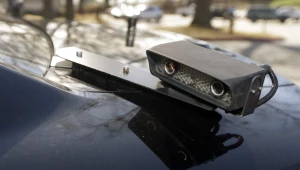
 A California appeals court rejected a privacy lawsuit, ruling that collecting license plate data without specific harm lacks legal standing.
Summary
The California 4th District Court of Appeal has upheld the dismissal of a 2021 class action lawsuit filed by Guillermo Mata against Digital Recognition Network, Inc. The court ruled that the mere collection and storage of license plate data by a private entity does not constitute a cognizable harm under California law, meaning the plaintiff lacks the legal standing to sue based solely on a subjective belief that privacy has been invaded.
The lawsuit centered on Automated License Plate Readers (ALPRs), which capture vehicle plates, timestamps, and locations. While critics and civil rights groups like the ACLU argue these systems create mass surveillance networks, the court determined that standing requires evidence of actual harm, such as a security breach or unauthorized data use. Because Mata did not allege a specific instance of harm, the court concluded the claim could not proceed.
This ruling highlights a legal distinction in California law: while public agencies face strict restrictions on sharing ALPR data, private entities have broader latitude. Privacy advocates expressed disappointment, arguing that this narrow interpretation of harm leaves citizens unable to challenge surveillance until their data is actually misused.
(Source:The Mercury News)