LA Wildfire Survivors Could Face Another Blow From Taxes on Settlement Payouts
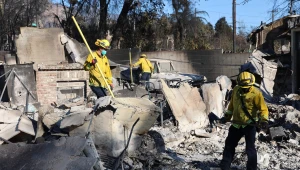
 Survivors of the 2025 Eaton Fire in Altadena, California, could face a tax bill on their settlement payouts if a new bill in Congress does not pass.
Summary
Thousands of survivors of the 2025 Eaton Fire in Altadena, California, have elected to accept an upfront settlement from the utility accused of causing it, forgoing future litigation for a faster payment. However, unless a bill moving through Congress becomes law, that money could be taxed as income, taking a significant bite out of their payments and potentially disqualifying them from other government benefits. This situation mirrors the plight of fire survivors in Colorado, Hawaii, and Oregon, as a tax exemption on wildfire-related compensation expired at the end of 2025. While a bipartisan House bill to extend the tax relief passed out of committee last month, the timeline for a floor vote and Senate action remains uncertain, leaving survivors in financial limbo. One Altadena homeowner, who spoke on the condition of anonymity, noted that if her expected settlement of about $700,000 is taxed at 37%, it would severely impact her ability to rebuild. As construction costs soar and insurance becomes difficult to secure, compensation from lawsuits has become a critical component of how many households start over. The utility, Southern California Edison, has acknowledged its power equipment may have sparked the Eaton Fire, which destroyed 9,000 structures and killed 19 people. The legislation approved by the House Ways and Means Committee would ensure that payments related to federally declared wildfire disasters from 2015 through 2026 would not count toward taxable income. While Florida Rep. Greg Steube expressed optimism that the legislation will ultimately pass, he acknowledged that the exact timeline remains uncertain. Survivors in Maui, who are awaiting payments from a $4 billion settlement with Hawaiian Electric, face similar challenges, with only about 180 homes rebuilt in Lahaina among 2,200 structures destroyed. Maui County Mayor Richard Bissen wrote to lawmakers that survivors need "certainty." Meanwhile, in Superior, Colorado, town council member Jenn Kaaoush worries that her constituents could be knocked off income-qualified government benefits for food, health care, or veterans' support if their wildfire payments count as income. Jennifer Gray Thompson, executive director of the survivor advocacy nonprofit After The Fire, cautioned that while survivors can defer taxes or amend past returns, resolving issues with government programs, such as qualifying for college financial aid, is much harder.
(Source:Insurance Journal)