Hong Kong, Indonesia and the People’s Bank of China Just Skipped the Dollar With a Direct Yuan-Rupiah Settlement Pact
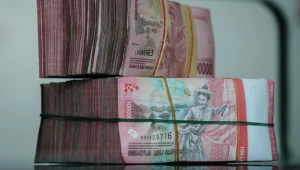
 The People’s Bank of China, Hong Kong Monetary Authority and Bank Indonesia signed an MoU to establish a direct yuan-renminbi settlement framework, removing the US dollar from Indonesia-Hong Kong trade and investment.
Summary
On June 13, 2026, the People’s Bank of China, the Hong Kong Monetary Authority, and Bank Indonesia signed a memorandum of understanding in Shanghai to create a direct bilateral currency framework for the Indonesian rupiah and the offshore Chinese renminbi. This agreement, brokered by central banks rather than governments, represents a significant step in dedollarisation infrastructure within Asia. The framework commits the authorities to operational guidelines, the appointment of cross-currency dealers, and a phased rollout of direct settlement for trade finance, investment flows, and inter-corporate transfers. The move is designed to handle substantial trade volumes, estimated at $25 billion in 2025, and investment flows into Indonesian infrastructure, thereby reducing currency conversion costs and exposure to US secondary sanctions. Politically, this aligns with Indonesia’s BRICS membership and leverages Hong Kong’s institutional credibility as an offshore renminbi hub. The agreement also signals a broader trend where Asian central banks are increasingly bypassing the US dollar in favor of regional currencies, with Hong Kong’s offshore yuan deposit pool being the largest in the world. While the Federal Reserve has noted the trend, the MoU provides concrete evidence of its acceleration. The operational details include the use of the Cross-Border Interbank Payment System for the renminbi side and Bank Indonesia’s BI-FAST and BI-RTGS for the rupiah side, with coordination expected to take six to nine months. Despite the risks of thinner liquidity in the offshore yuan market, the agreement marks a structural shift in Asian trade settlement, moving away from the dollar as the primary vehicle currency.
(Source:The Eastern Herald)