Google’s Legal Battle Against SerpApi Hits a Wall: What the Scraping Lawsuit Means for the Future of Search Data
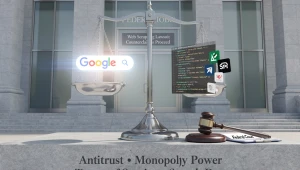
 A judge allowed most of SerpApi’s counterclaims against Google to proceed, potentially redefining web scraping legality and monopoly power in search.
Summary
Google’s lawsuit against SerpApi, a company that scrapes and sells Google search results, has taken a surprising turn as a federal judge permitted most of SerpApi’s antitrust counterclaims to move forward. Google alleges SerpApi violates its Terms of Service, the Computer Fraud and Abuse Act, and misappropriates trade secrets. SerpApi argues Google is attempting to eliminate competition and control access to search data, claiming Google’s search results are compiled from public data and shouldn’t be proprietary.
The judge’s decision echoes the hiQ v. LinkedIn case, which established that scraping publicly available data isn’t necessarily illegal, but distinguishes itself as Google’s results are accessed through terms of service. This case is particularly timely given the recent DOJ antitrust ruling against Google and another ongoing case targeting its advertising technology. A ruling in favor of SerpApi could limit Google’s ability to control access to search data and potentially impact the broader AI training data landscape.
While SerpApi’s survival of the motion to dismiss is significant, proving anticompetitive conduct and demonstrating concrete harm will be challenging. The outcome will have broad implications for the tech industry, determining whether dominant platforms can restrict automated access to their services and control the secondary market for search data.
(Source:Webpronews)