OpenAI Wins Elon Musk Lawsuit as Jury Rejects Claims Over AI Mission
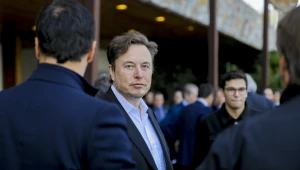
 A U.S. jury ruled OpenAI not liable in Elon Musk's lawsuit, rejecting claims that the company abandoned its nonprofit mission for profit.
Summary
A U.S. jury has ruled that OpenAI is not liable in a lawsuit brought by Elon Musk, marking a major legal victory for the artificial intelligence company. The verdict was delivered Monday in a federal court in Oakland, California, after jurors concluded that Musk filed the lawsuit after the legal deadline had expired. The case centered on Musk's allegations that OpenAI abandoned its original nonprofit mission of developing artificial intelligence for the benefit of humanity. Musk claimed the ChatGPT creator shifted toward profit-driven goals that primarily benefited executives and investors rather than the public. He also accused Microsoft of knowingly supporting OpenAI's alleged focus on financial gain over AI safety and ethical development. Following the verdict, Musk announced on X that he plans to appeal the decision to the Ninth Circuit Court of Appeals. Musk argued that the court never addressed the substance of the case and instead dismissed it on what he described as a 'calendar technicality.' He further accused OpenAI executives Sam Altman and Greg Brockman of enriching themselves by transforming what he called a charitable organization into a profit-focused enterprise. The highly watched trial began on April 28 and lasted 11 days. During proceedings, OpenAI maintained that Musk's claims were legally outdated and motivated by financial interests. OpenAI's legal team argued that the company had always acted within its organizational framework while continuing to develop advanced AI technologies responsibly. Musk, who co-founded OpenAI in 2015 and invested roughly $38 million before leaving the board in 2018, argued that the company violated its original nonprofit agreement by transitioning into a for-profit structure. His legal team also questioned the credibility of OpenAI CEO Sam Altman during closing arguments. The lawsuit highlighted growing global debate over artificial intelligence, AI safety, corporate influence, and who should financially benefit from rapidly advancing AI technologies.
(Source:Econotimes)